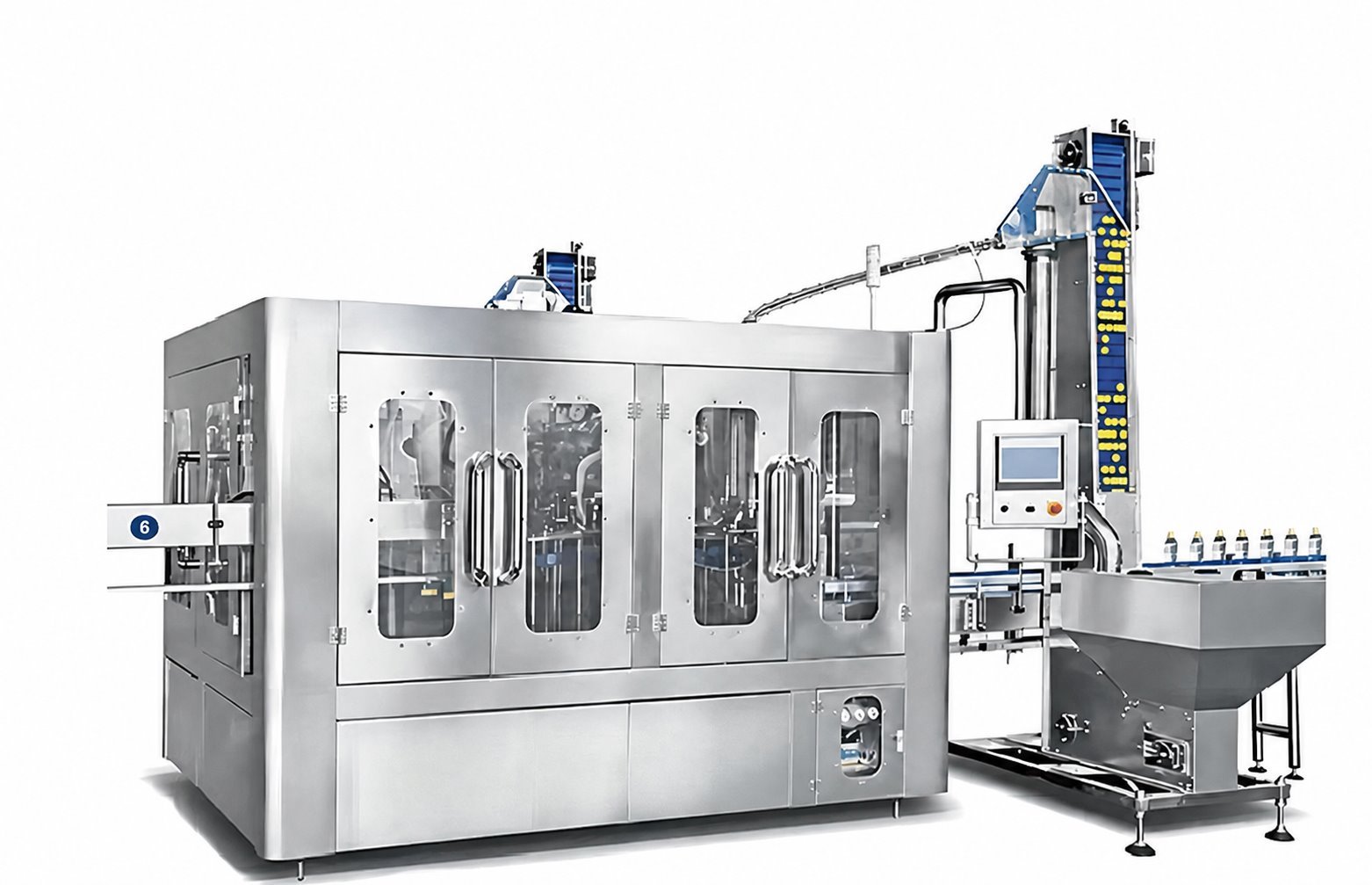
 Catalog reference · final configuration by proposal
PET small bottles
Still-water neck-handled 3-in-1 configurationConfirm neck finish, bottle weight, cap and reference BPH.
Review PET configuration
Still-water equipment • Configuration and supply coordination
Source a water filling machine around the bottle you will sell. Allot Tech coordinates PET rinsing-filling-capping and large-bottle equipment proposals; glass-water projects require a dedicated configuration review. Start with your container, then define output, included equipment and acceptance evidence.
Compare supplier quotationsSend bottle volume, dimensions, cap type, target BPH, voltage and destination.
Catalog reference · configuration to be confirmedChoose your equipment route
Review catalog-supported equipment and project-specific alternatives. Every route needs an approved bottle, cap and written supply scope.
Catalog reference · final configuration by proposal
Confirm neck finish, bottle weight, cap and reference BPH.
Review PET configurationConfirm glass geometry, weight, closure and breakage controls.
Define glass project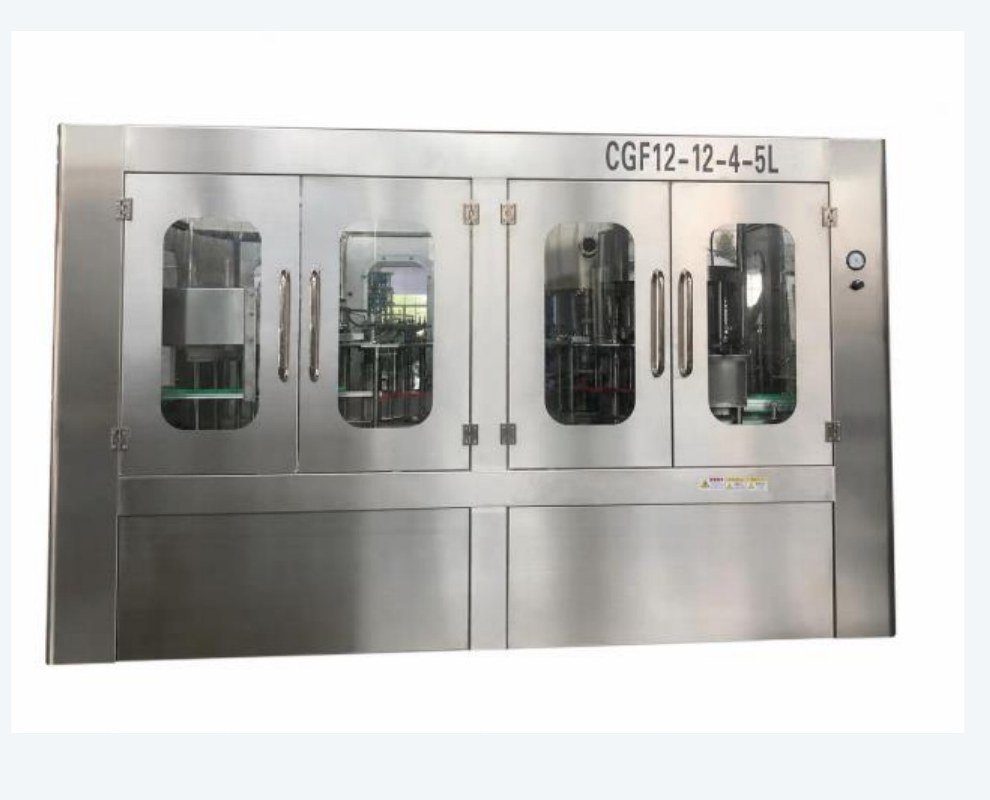 Catalog reference · final configuration by proposal
Confirm container stability, handling method and full-bottle outfeed.
Review large formatsReturned 18.9/20 L bottles need a separate incoming-bottle and washing review.
Discuss specialist requirementWater filling machine supplier selection
This project desk is for buyers comparing a PET, project-specific glass or 3–15 L still-water filling machine. It turns one buyer brief into comparable scope, capacity evidence, FAT criteria and delivery responsibilities before price is judged.
What a qualified supplier response should do: explain why the proposed configuration fits the approved container, define what is and is not supplied, state how good output will be tested, disclose assumptions and give the buyer a clear route from technical proposal to shipment support.
Fix the bottle, cap, required good output, utilities, destination and existing equipment before asking for a model.
Prepare bottle and cap data →Put included, optional, excluded and buyer-supplied equipment on one interface schedule.
Define the purchase boundary →Ask how configuration, manufacturing resource, component choices, documents and FAT results will be recorded.
Open the supplier audit →Score each proposal on the same technical and commercial basis, then send one qualified project brief.
Compare supplier quotations →Reference basis
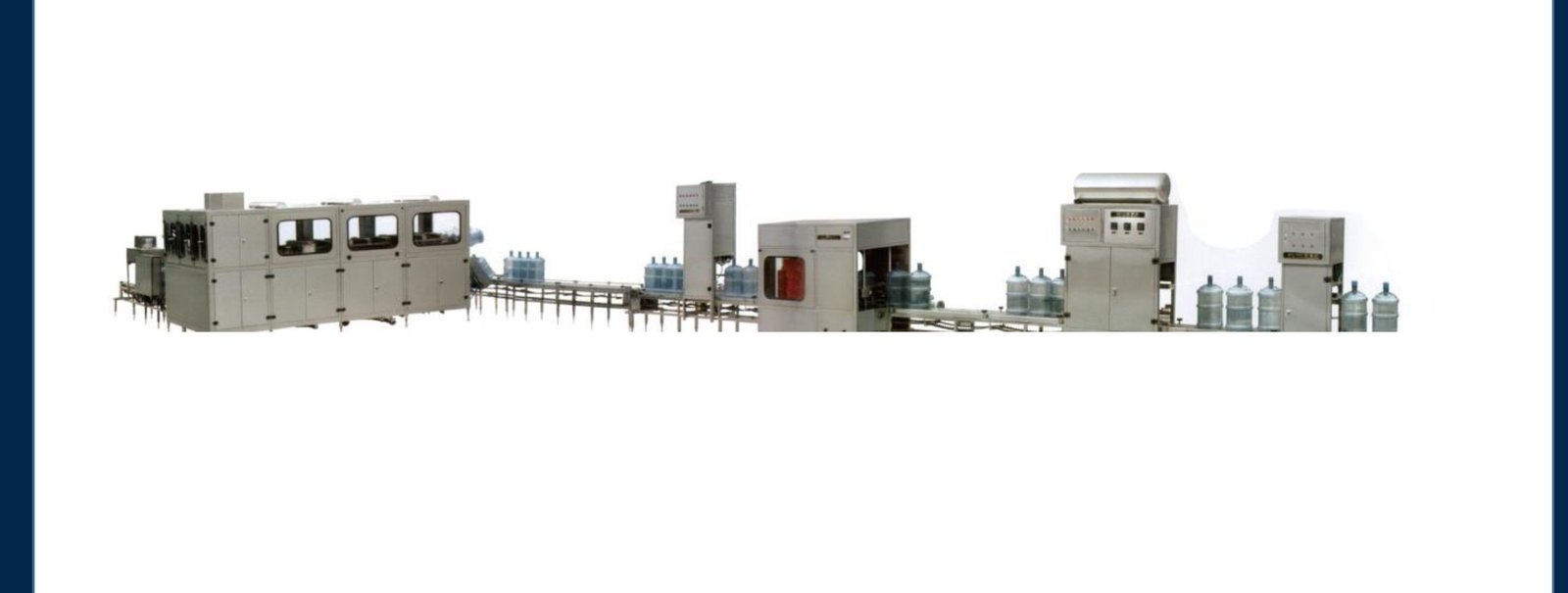
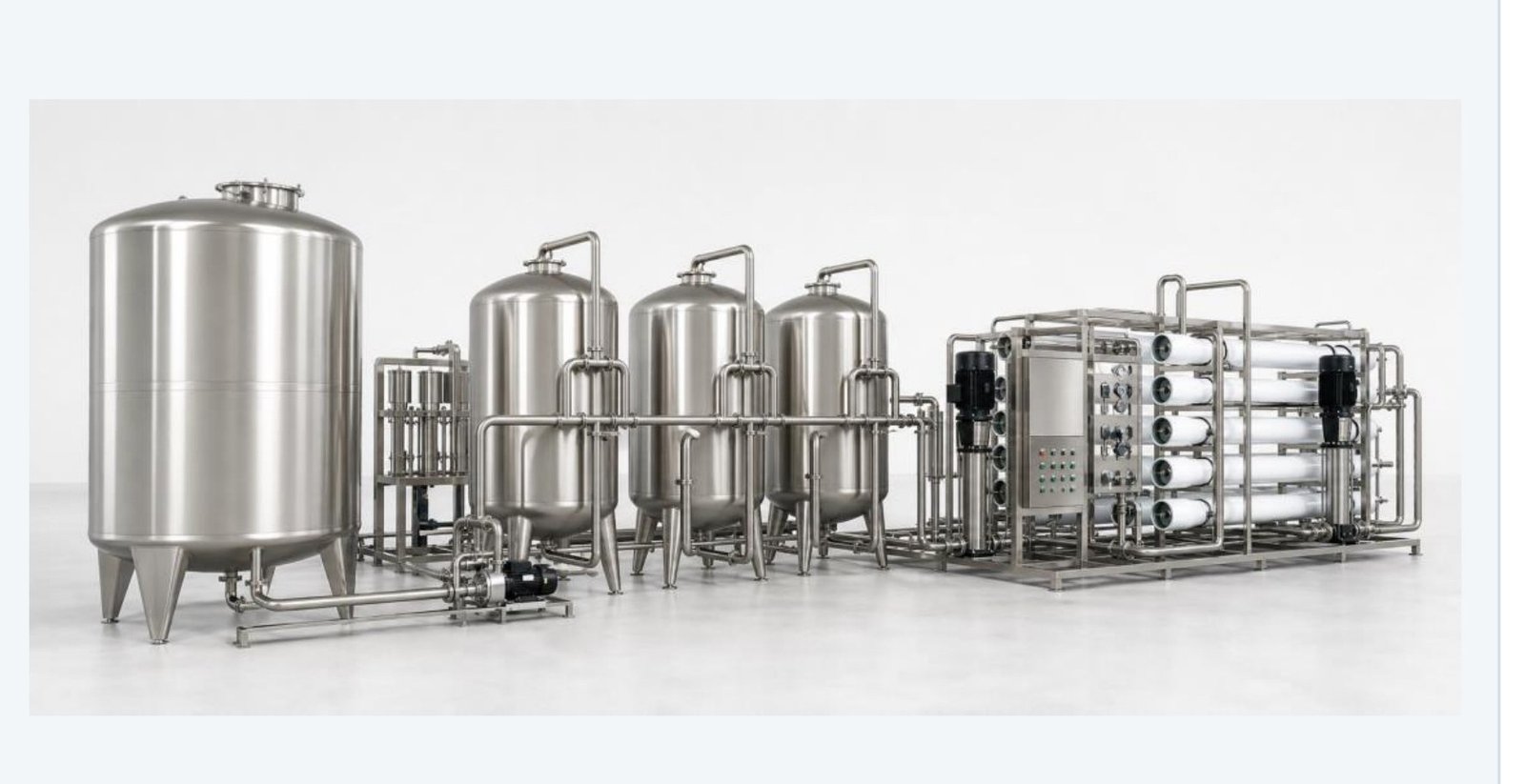
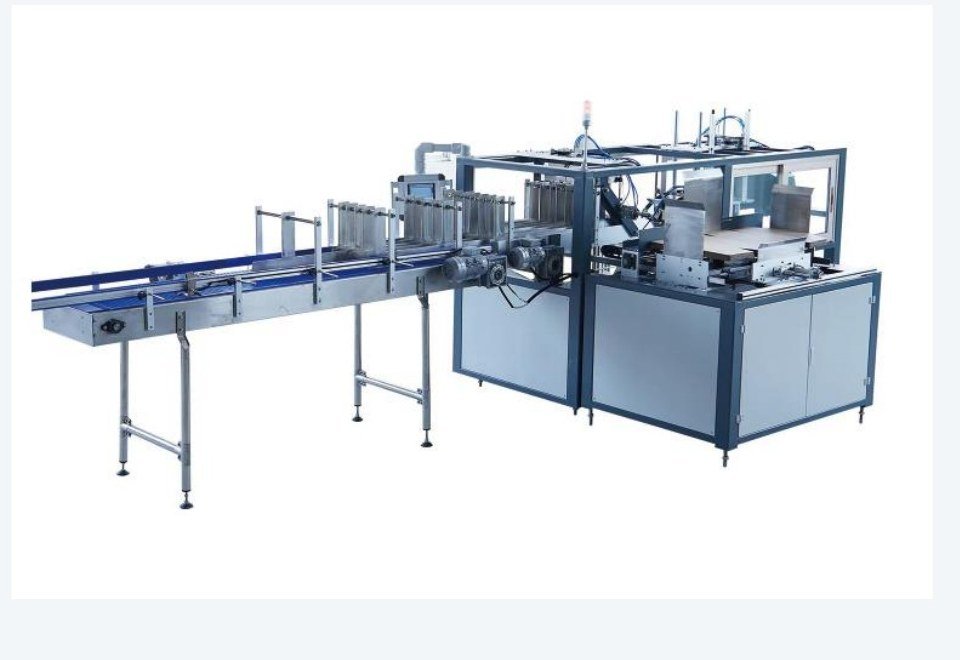
These images come from the Allot Tech Beverage Bottling Catalog 2026. They support equipment-family discussion; model, availability, output and final scope remain project-specific.


Six inputs before selection
The same machine can run different practical outputs for 500 ml, 1 L, 1.5 L or different bottle shapes. Final capacity follows the approved reference bottle and complete configuration.
Purified, mineral, spring or still drinking water
PET, glass or 3-15 L large format
Height, diameter, neck finish and empty weight
Closure type, dimensions, tamper band and samples
Target BPH named against one actual bottle
Machine only, filling center or complete-line interface
Select the purchase scope
For an existing compatible water, bottle, conveyor and downstream system.
For a configured core section around the rinser-filler-capper.
For coordination with blowing, treatment, labeling, coding, packing and conveying.
Supplier comparison scorecard
Capacity planner
Enter valid inputs and a reference bottle volume to calculate.
Carry result to RFQFormula: daily good bottles ÷ planned hours ÷ effective-output factor, then add the selected future reserve. Apply downtime, speed and reject losses once; do not double-count losses already removed from hours. The fill-volume result is not a total water-utility requirement. This is preliminary planning, not a machine recommendation. Final output requires confirmation on the actual bottle, cap and connected equipment.
Bottle and cap compatibility
Prepare bottle material, volume, height, diameter, neck finish, bottle weight, cap dimensions, tamper band, format count and changeover frequency.
Machine only vs complete line
| Item | Machine only | Filling center | Complete line |
|---|---|---|---|
| Product-water interface | Buyer connection required | Configured as agreed | Integrated discussion |
| Bottle infeed | Existing / buyer scope | Included as agreed | Integrated |
| Filling machine | Included | Included | Included |
| Cap handling | Optional / specified | Normally configured | Integrated |
| Labeling | Excluded | Usually excluded | Optional / included |
| Packing | Excluded | Usually excluded | Optional / included |
| Utilities | Buyer confirmation | Interface confirmation | Full discussion |
| FAT scope | Machine level | Filling-section level | Line level |
Price is not comparable until scope is comparable
Quote basis
The catalog-supported routes include XGF PET still-water rinsing-filling-capping, rotary large-bottle equipment referenced at 3–15 L, and a separate linear reference at 3–10 L. These are platform references, not confirmation that one machine handles every bottle. Glass-water projects need a dedicated proposal; returnable 18.9/20 L bottles need a separate washing-and-filling route.
Allot Tech (Suzhou) Co., Ltd. acts as the project-coordination contact described in its catalog. Ask the proposal to identify the contracting entity, selected manufacturing resource, FAT location and installation/support responsibilities. A catalog photograph is not proof of factory ownership.
Send the main bottle and cap, required good bottles per hour, included equipment, available utilities and destination. State what already exists. The quotation should separate the machine, interfaces, change parts, testing, delivery and service so its total has a clear scope.
Do not assume so. Declare carbonation before configuration review; product preparation and filling requirements differ from the catalog's normal-pressure still-water platform.
Use a named bottle and cap plus required saleable output. If calculating from daily demand, use planned production hours and a loss allowance applied once. Then ask for the supplier's proposed machine rating and the agreed timed-run acceptance method.
FAT and delivery
Review configuration, bottles and caps, dry run, water test, output observation, fill level, capping, alarms, changeover, spares, documents and packing preparation.
Final FAT items and acceptance conditions are confirmed in the signed technical agreement.
How Allot Tech works
Quick machine match
Use the detailed RFQ when you have drawings, existing-line data or multiple bottle formats.
Open detailed RFQ →